The Docket Doesn't Blink: How to Read Court Records Like a Late-Night Armchair Detective
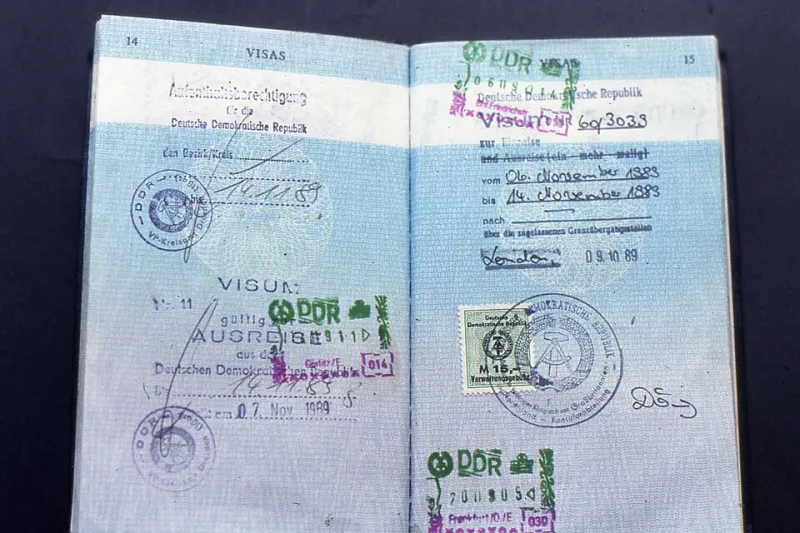
Photo: Felix O, Public domain, via Wikimedia Commons
There’s a scene in every true-crime documentary where the narrator says, “And then, the documents revealed everything.” Cue the dramatic folder. Cue the red string. Cue the music. What the camera rarely shows is the actual paperwork: a 34-page motion, a scanned exhibit with three illegible pages, or a sentencing memo that reads like a résumé written by someone’s cousin.
If you want to be a useful armchair detective instead of a recap repeater, learn to read the docket. Not as a lawyer. As a skeptical civilian with a browser tab and a healthy suspicion of narration.
Start With the Charge, Not the Chyron
Every case has a spine: the charging document. In federal court, that’s usually an indictment or information. In state court, it might be a criminal complaint, information, or indictment, depending on the jurisdiction. This document tells you who is accused, of what, and under which statutes. It does not tell you whether the person did it.
A charge is an allegation. That’s it. It’s the government’s opening bid, not a verdict, not a finding, not a fact. Documentaries sometimes flash the charge on screen with the same gravity as a conviction. Don’t let that slide. Ask: Was the charge later amended? Dismissed? Replaced by a superseding indictment? The docket will show movement. The narrator may not.
Where the Paperwork Lives
For federal cases, start with PACER, the federal courts’ paywalled records system. You can search by party name, case number, or court. CourtListener and its RECAP archive are useful free alternatives for documents that others have already pulled. For state cases, you’ll need the state judiciary’s portal or the county clerk’s office. Some are searchable and free. Some charge per page. Some look like they were designed during the dial-up era.
Here’s the unglamorous truth: not every document is public. Sealed filings, grand jury materials, and certain juvenile records won’t be there. A missing document is not a conspiracy. It’s often just a rule.
The Four Documents That Matter Most
1. Charging documents
These set the boundaries. Read the statutes cited. Look at dates, locations, and alleged conduct. Notice what’s not charged. Prosecutors charge what they think they can prove, not every bad act in the folder.
2. Motions and responses
Motions are where the case’s machinery shows. A motion to suppress evidence might reveal how a search happened. A motion in limine might show what evidence each side wants to keep out. Read the response too. One side’s motion is an argument, not a ruling.
3. Exhibits and attachments
This is where the receipts live — sometimes literally. Text logs, photos, call records, expert reports. But check the exhibit list before you treat a screenshot as gospel. Is it authenticated? Is it complete? Is it a draft? An exhibit attached to a motion is not automatically admitted at trial.
4. Sentencing memos
If there’s a conviction, sentencing memos are strange, human documents. Defense memos argue for leniency. Government memos argue for severity. They contain facts, spin, and sometimes details that never came out at trial. Read them as advocacy, not as the final word.
Procedure Is Not Proof: A Skeptical Checklist
When a recap says “court records show,” run this list:
- What kind of document is it? A complaint, a motion, an order, a transcript, or a press release? Each has a different weight.
- Who filed it? A filing by one side is a claim. A ruling by a judge is a decision. A verdict by a jury is a finding.
- Is it a draft or a final version? Proposed orders and amended complaints are not the same as signed orders.
- Does the document say what the recap says? Find the exact sentence. If you can’t, be suspicious.
- Is the quote from a footnote or a block quote? Footnotes matter. So does context. A sentence can be technically accurate and still misleading.
- Was the document sealed, redacted, or unopposed? Procedure often explains gaps better than intrigue does.
- What happened next on the docket? A motion filed is not a motion granted. A charge dropped is not innocence. A conviction is not necessarily the end of the story.
The Recap Test
Here’s a quick test for any true-crime article or podcast episode: Can you trace its biggest claim to a specific document on the docket? Not “court records show” in general. A document. A page. A line. If the answer is no, treat the claim as a lead, not a conclusion.
That doesn’t mean every recap is wrong. It means the docket is the source, and the recap is the remix. Remixes are fun. They’re also editable, selective, and sometimes just plain sloppy.
Bottom Line
Reading a docket won’t turn you into a prosecutor, a defense attorney, or a judge. It will do something more useful: it will slow you down. You’ll see the difference between an allegation and a finding, between a filing and a ruling, between a document and a story about a document.
The folder doesn’t slam open. The PDF loads slowly. That’s the point. The receipts are the story — but only if you actually read them.