Look, Don’t Linger: How to Take a True-Crime Road Trip Without Becoming the Problem
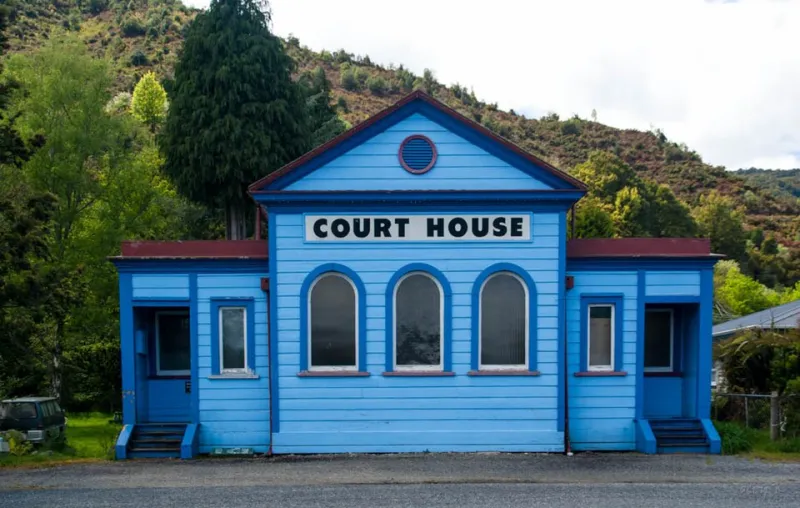
Photo: Jocelyn Kinghorn, CC BY-SA 2.0, via Wikimedia Commons
There is a particular American ritual that begins with gas-station coffee and ends with a phone map zoomed in on a street where something terrible happened. True crime has become a travel genre. You can build a weekend around a museum, a courthouse, a marker, or a diner that has leaned all the way into local notoriety. The question is not whether you can visit. It is whether you should, and how to do it without becoming the reason locals stop answering questions.
At Prime Crime, we cover cases for armchair detectives who like a puzzle, a timeline, and a late-night conversation. But curiosity has a border. When you pull into a town where a family still lives with the aftermath, you are not just a reader anymore. You are a visitor in someone else’s grief. That does not mean stay home forever. It means know the difference between a public exhibit and a private porch.
First, Know What You’re Actually Visiting
True-crime locations are not one thing. The Villisca Ax Murder House in Iowa is operated as a tour site. The Lizzie Borden House in Fall River, Massachusetts, is a museum and inn. The Amityville house on Long Island is a private residence, which is the sentence people tend to skip. A courthouse may be public, but a closed hearing is still closed. A roadside marker may commemorate history without inviting you to reenact it.
Before you go, check official sources. Museum hours, ticket policies, local historical society pages, and visitors bureaus are your friends. If a site has no visitor infrastructure, treat that as information. A chain across a driveway is not a suggestion. A sign that says no trespassing is not a challenge to your inner investigator. And if a town has a museum dedicated to a case, start there. That is usually where the community has decided what it is willing to share.
The Dark-Tourism Ledger
Communities do not experience notoriety evenly. A diner may sell more pie. A motel may fill rooms. A tour operator may build a season around one case. That money is real, and in small towns it can matter. But the same attention can be a tax: traffic on residential streets, strangers photographing porches, family members recognized at the grocery store, school kids hearing jokes about their hometown.
Some communities embrace the spotlight. Others tolerate it. Many do both at once. Your job is not to decide which response is correct. Your job is to read the room. Spend money locally. Tip well. Buy the museum ticket instead of asking a server for the grim details. If a business owner wants to talk, let them lead. If a local changes the subject, change it with them.
The Family Test
Victim families did not sign up for your road trip. They may live nearby. They may work nearby. They may be the person behind you in line at the hardware store. Do not knock on doors looking for the story. Do not ask strangers to point out the house. Do not film porches, windows, mailboxes, or kids on bikes.
If you see a roadside memorial, treat it like a cemetery. No selfies with teddy bears. No posing beside flowers. No livestream from the shoulder of the road. If a public event is happening, give families space and follow the organizers’ rules. And avoid anniversary dates unless something public is officially scheduled. Your curiosity is not an invitation.
The Camera Rules
In the US, photographing public streets is generally legal. That does not make every photo ethical. Skip drones over private property. Skip zoom lenses aimed at windows. Skip filming minors. Skip livestreams from residential blocks where your presence is already awkward. Museums often ban photography for good reasons, so respect the signs even when no one is watching.
For social media, wait until you are home. Then ask what your post adds. If it is just a geotag and a creepy caption, it adds nothing. If it explains the history, points to a museum, or credits local preservation efforts, it might be useful. Blur house numbers. Do not name private residents. Do not turn a tragedy into a backdrop for your outfit. The internet does not need another video of someone whispering into a phone outside a house where people still sleep.
A Road-Trip Checklist for Armchair Detectives
- Pick one educational anchor, such as a museum, historical society exhibit, or courthouse archive. Build the trip around that, not around a list of addresses.
- Verify access before you drive. Check hours, tickets, closures, and whether the site is private.
- Call ahead to a local historical society or visitors bureau. Ask what locals wish tourists knew.
- Budget for local spending: diner, bookstore, gas, museum gift shop. If a community is hosting your curiosity, let some of your money stay there.
- Leave the graphic true-crime tee at home. You are not undercover, and you are not funny.
- Set camera boundaries in advance. No drones, no porches, no minors, no livestreams from quiet streets.
- Have an exit plan. If a place feels closed, hostile, or simply done with visitors, leave.
- Do not ask service workers for evidence, gossip, or directions to the exact spot. They are not your research assistant.
- Leave no trace. No chalk outlines, no locks, no candles, no investigation notes taped to public property.
- Check your motive. If you want history and context, go. If you want a thrill and a photo op, a documentary is cheaper and hurts less.
When the Town Says No
Some towns have had enough. Maybe they never wanted the attention. Maybe the case is still too fresh. Maybe the family has asked people to stop. Respect is not a vibe; it is a decision. If residents have organized against dark tourism, believe them.
Not every case needs a pilgrimage. The best armchair detective knows when to close the tab and stay home. A road trip can be a decent way to support local institutions and learn how a case fits into a real place. It can also be a slow-motion intrusion. The difference is usually not the mileage. It is whether you remembered that the people in the story are not characters in your weekend plan.