The Thermostat Is Not a Witness: Ranking Smart-Home Clues by How Much They Actually Prove
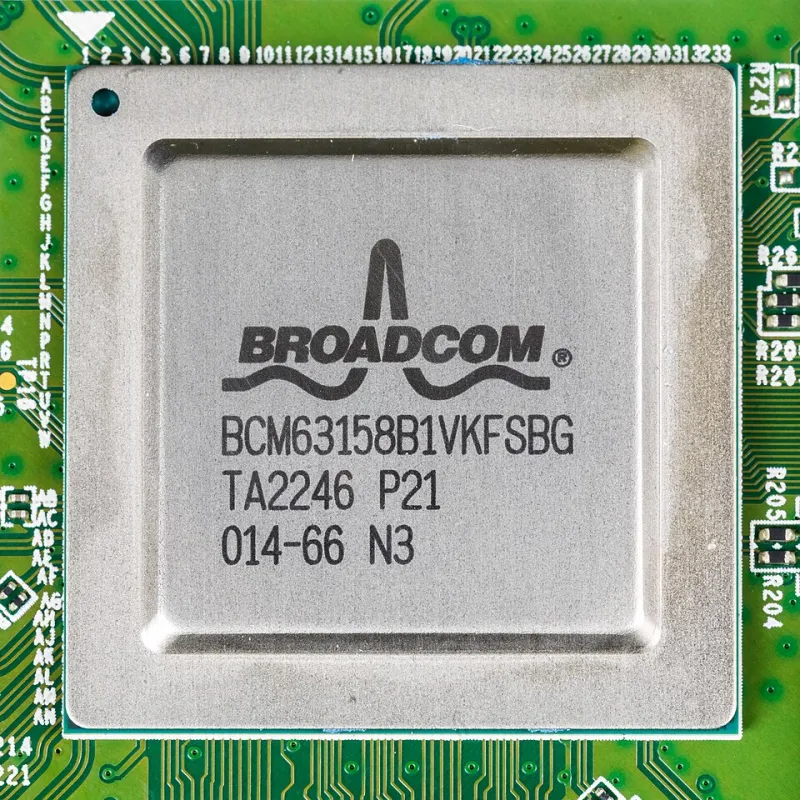
Photo: Raimond Spekking, CC BY-SA 4.0, via Wikimedia Commons
Every armchair detective eventually discovers the same seductive idea: the house was watching. Maybe not with a doorbell camera, but with a thermostat that remembers when someone turned up the heat, a smart lock that logged a 2:14 a.m. entry, or a robot vacuum that mapped a room nobody admits to using. It feels like a hidden witness with a perfect memory and no lawyer.
That feeling is usually doing more work than the data.
Smart-home records can matter. They can corroborate a timeline, contradict a story, or point investigators toward a device that deserves a closer look. But they are not narrative machines. They are household automation logs, often incomplete, frequently misread, and almost always less cinematic than the podcast version. So let’s rank the smart-home clues that get overhyped the most — from “interesting, but settle down” to “okay, this might actually help” — and pair each with what it can and cannot prove.
No. 6: Robot-Vacuum Maps — The Floor Plan With a PR Problem
This is the clue that launches a thousand Reddit diagrams. A robot vacuum builds a map of a home, and suddenly the map is treated like a surveillance photograph. People start reading room boundaries, furniture placement, and “unusual” cleaning patterns as if the vacuum were a crime-scene sketch artist.
What it can prove: The device was running, it detected obstacles, and it may have stored layout data or cleaning-route history. In some cases, that can help establish the general shape of a space or show that a device was active at a certain time.
What it cannot prove: Who was home, what they were doing, or why a room was cleaned. A vacuum map is not a witness statement. It is a floor plan with a schedule. Overreading it is especially tempting because maps look visual and authoritative, but visual does not mean evidentiary. If a theory depends on interpreting why the vacuum skipped a hallway, that theory has left the facts and entered the fan-fiction zone.
No. 5: Thermostat Schedules — Comfort Data, Not a Confession
Thermostats are quietly excellent at recording routine. They log set points, schedule changes, manual overrides, and sometimes occupancy-related adjustments. In a case where someone claims the house was empty, a thermostat log showing repeated manual adjustments can be worth a question.
But here’s the buzzkill: thermostats are designed to keep a house comfortable, not to identify people. A schedule can run whether anyone is home. A manual override can come from an app in another state. A guest, a cleaner, a pet sitter, or a power outage can scramble the pattern. And “the heat came on at 6 a.m.” is not the same as “a person woke up at 6 a.m.”
What it can prove: The system was programmed or adjusted in a certain way at a certain time, assuming the log is accurate and properly exported.
What it cannot prove alone: Who made the change, why they made it, or that anyone was physically standing at the device. Thermostat data is best used as a supporting thread, not the whole rope.
No. 4: Smart-Lock Logs — Useful, but Missing the Human Part
Smart-lock records are among the most misunderstood entries in the smart-home evidence conversation. A log may show a code was entered, a lock was engaged, or an app was used. That sounds like a precise timeline.
It is not always precise about people. Codes get shared. Apps get delegated. Batteries die. Devices go offline. Guests use the same code as family members. A lock event can tell you something happened at the door; it rarely tells you who was on the other side of it without corroboration.
What it can prove: The lock registered an event at a given time, and possibly which credential or method was used.
What it cannot prove: Identity, intent, or presence beyond the door. If a smart-lock log is the centerpiece of a theory, the theory needs a second act: camera footage, phone location data, witness statements, or something that connects the credential to a person. The lock is a bouncer with a clipboard, not a courtroom narrator.
No. 3: Voice-Assistant Timestamps — The “Someone Said Something” Trap
Voice assistants generate some of the most tantalizing records because they are tied to speech. A timestamp showing a command, a query, or a routine trigger can feel like a ghostly snippet of conversation. Armchair detectives love this one because it sounds like the house overheard the plot.
In reality, voice-assistant logs are narrow and weird. They may show that a device processed a command, but not always what was said, who said it, or whether it was a TV, a child, a guest, or a misheard phrase. Many systems retain limited data, and the data that survives may be a technical event rather than a meaningful quote.
What it can prove: A device registered an interaction or trigger at a time, subject to the platform’s logging practices.
What it cannot prove: The content of a conversation, the identity of a speaker, or the context around the command. “Turn on the porch light” is not an alibi, and a timestamp is not a transcript. Treat voice-assistant data as a question generator, not a confession booth.
No. 2: Smart Plugs and Energy Monitors — The Appliance Did Something, Probably
Smart plugs, energy monitors, and connected appliances can show when a device drew power, turned on, or followed a routine. That can be useful in a narrow way: maybe a TV was on, a coffee maker cycled, or a lamp followed a schedule. But the jump from “the appliance was active” to “a specific person was home” is a long one.
Schedules exist. Automation exists. Appliances malfunction. A smart plug can be triggered remotely, and a routine can run in an empty house for weeks. Energy data is also messy; it may be sampled, delayed, or summarized rather than stored as a clean second-by-second record.
What it can prove: Something connected to the plug or monitor was active at or around a time.
What it cannot prove: Who was present or why the device was running. This is background music, not a solo.
No. 1: Camera-Adjacent Metadata — The Clue Everyone Treats as a Smoking Gun
This is the most overhyped category because it borrows authority from cameras without being a camera. Motion alerts, cloud-upload times, device-offline notices, and app activity can all sound like surveillance. But metadata is not footage. A motion alert can be a raccoon. A cloud upload can be a software sync. A device going offline can be a Wi-Fi hiccup, not a sabotage scene.
What it can prove: A sensor, app, or device recorded an event or status change at a time, if the log is complete and properly interpreted.
What it cannot prove: What caused the event or who was there. Metadata is the least photogenic and most overclaimed part of the smart-home trail. It deserves scrutiny, not a dramatic voice-over.
The Armchair Skeptic’s Checklist
Before you turn a device log into a theory, run this quick list:
- Is this a log or a summary? Exported data, app screenshots, and platform summaries are not the same thing.
- What time zone? Smart-home records often mix local time, UTC, and app-display time. A one-hour shift can wreck a timeline.
- Who had access? Codes, apps, routines, and shared accounts matter more than the device’s brand name.
- Can the action be automated? If yes, human presence is not established.
- What is missing? Offline periods, deleted data, and limited retention are part of the record too.
- Does it identify a person? Most smart-home clues identify an event, not a human being.
- What else corroborates it? If the answer is “nothing,” the clue is a conversation starter, not a conclusion.
Smart homes do keep notes. They are just not very good storytellers. The useful approach is to ask what a device can actually prove, then stop before the thermostat starts testifying to things it never saw. That’s not less fun. It’s just better detective work.