The Clipboard Is Not a Confession: Ranking Neighborhood Records by Their Real Investigative Weight

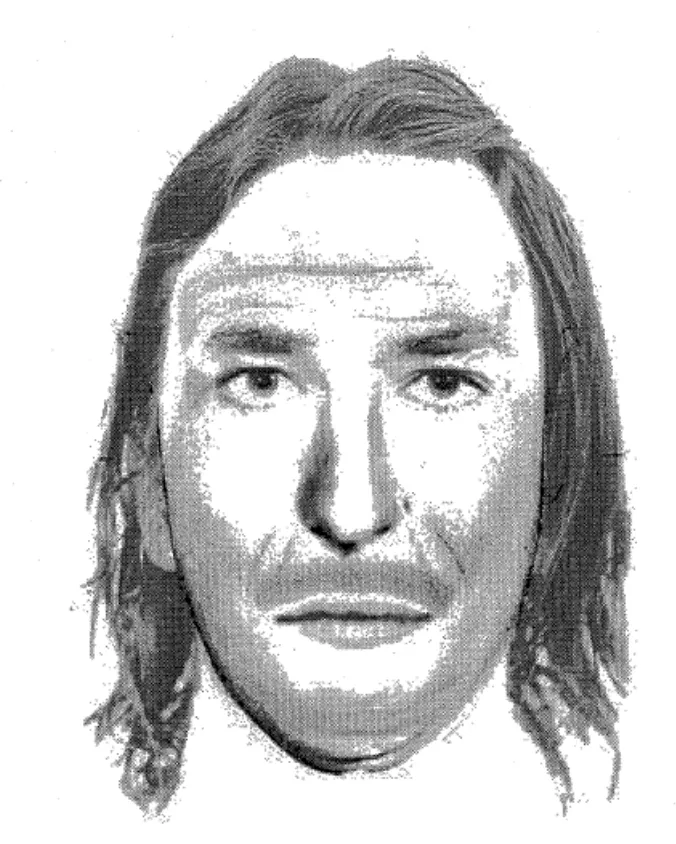
Photo: Marek Ślusarczyk (Tupungato) Photo portfolio, CC BY 3.0, via Wikimedia Commons
Every armchair case eventually runs into the same seductive artifact: a tidy neighborhood record. A gate log. A parking sticker list. A violation notice with a date stamp. It looks official, it looks chronological, and it looks like exactly the kind of thing a late-night detective can pin to the corkboard with a red string.
But neighborhood association paperwork is not a confession. It is bureaucracy. And bureaucracy is a terrible narrator—it records what someone remembered to write down, what a property manager bothered to file, and what a board secretary summarized three weeks later. That does not make these records useless. It makes them fragile. So here is a practical ranking of the community files that tend to surface in armchair investigations, graded by what they actually prove.
How the Grades Work
These are not grades for honesty. They are grades for investigative weight. An A would mean the record reliably establishes a person, a time, and a place. Almost nothing in a neighborhood office earns an A. Most of these records establish a vehicle, a sticker, a complaint, or a signature—and then leave the interesting part blank. The lower grades are not junk. They are just easier to overread, especially when a missing line starts feeling like a cover-up instead of a Tuesday filing gap.
1. Gate and Visitor Logs: B-Minus
Gate logs are the closest thing many communities have to a real timeline. They can show that a car entered, a guest was announced, or a contractor signed in. That is genuinely useful if the log is complete, time-stamped, and tied to a specific gate.
The trouble is that gate logs are often handwritten, shared between shifts, and dependent on a guard who is also handling deliveries, complaints, and a lost dog. Residents tailgate through. Guests use the same pass twice. A name gets scrawled as “Mike” and nobody knows which Mike. The log proves an entry was recorded, not that a specific person was inside the car. It is a starting point, not a smoking gun.
2. Parking Stickers and Permits: C-Plus
A parking sticker can connect a vehicle to a household. That is helpful. It does not connect a driver to a vehicle at a specific time, and it definitely does not explain why the car was at the clubhouse at 11:40 p.m. Guest passes get loaned, transferred, or left in a glove box for months. Temporary tags create their own fog.
Armchair sleuths love a permit number because it feels like a fingerprint. Treat it like a mailing label instead: it tells you where something was registered, not who was behind the wheel.
3. Violation Notices: C
Violation notices are dramatic little documents. They have dates, addresses, rule numbers, and the unmistakable tone of someone who has been waiting to use the phrase “per governing documents.” In a case file, they can establish that a complaint existed and that management responded.
What they rarely establish is the underlying event. A notice about loud noise proves a complaint was filed, not that the noise happened at the volume described. A notice about an unapproved fence proves paperwork was missing, not that a neighbor was hiding something. Selective enforcement is also real: some boards write up every infraction, some write up the people they dislike. A violation notice is a bureaucratic mood ring, not a sworn statement.
4. Pool and Clubhouse Access Logs: C-Minus
Fob logs and sign-in sheets can look wonderfully precise. A pool pass was scanned at 8:12 p.m. A clubhouse reservation ran until 10:00 p.m. But shared fobs, family accounts, borrowed cards, and kids who know the gate code all blur the picture. A sign-in sheet proves a pen moved. A fob scan proves a credential was used.
These logs are best for confirming that a space was open or busy. They are weak for placing a particular person in a particular chair. If the case hinges on a pool pass, the case needs more than the pool pass.
5. Package Room Logs: D-Plus
Package room records feel modern and forensic: carrier scans, pickup times, unit numbers. But they usually document delivery and release, not identity. A logged pickup can mean a resident, a family member, a neighbor with a code, or a driver who scanned the wrong barcode. Carrier systems are built for liability, not for building a suspect list.
Useful for establishing that a package existed and moved. Not useful for announcing who carried it out the door.
6. Architectural Review Files: D
Architectural review files are where neighborhood grudges go to get letterhead. Applications, denials, appeal letters, and inspection notes can reveal conflict, and conflict can be relevant. But the file proves a process happened. It does not prove motive, malice, or anything else that fits neatly on a case board.
A denied pergola can look sinister in hindsight. In real time, it was probably a denied pergola. Keep the file, lower the volume.
7. Board Meeting Minutes: D-Minus
Minutes are summaries of summaries. They are approved later, edited for tone, and often written by whichever board member volunteered. “Discussion held regarding parking concern” can conceal a ten-minute argument or a two-sentence update. The absence of a topic in the minutes is not proof the topic was never discussed.
Minutes are good for verifying that a meeting occurred and that a decision was recorded. They are bad for reconstructing who said what, when, and with what expression.
8. Neighborhood Social Media Threads: F
A Nextdoor or Facebook thread is not a record. It is a rumor with a timestamp. Screenshots get cropped, comments get deleted, and “I saw a suspicious car” can mean anything from a stranger idling to a delivery driver checking a house number. These posts can point toward a lead. They should never be the lead.
The Karen-with-a-Clipboard Problem
The deeper issue is not any single record. It is the way incomplete bureaucracy starts to look like conspiracy. A gate log has a gap because the guard went to the bathroom. A violation notice is missing because a board member quit. A pool pass was never scanned because the scanner was down. None of that is a plot. It is a filing system held together by volunteer labor and a dying printer.
That does not mean armchair detectives should ignore these files. It means they should ask three questions before pinning anything to the board: Who created this record? What was the record designed to do? And what would we expect to see if the boring explanation were true?
If a neighborhood record survives those questions, it can earn a place in the timeline. If it does not, it belongs in the folder marked “context,” not “evidence.” The clipboard is not a confession. It is just a clipboard—and sometimes that is the most useful thing you can know.